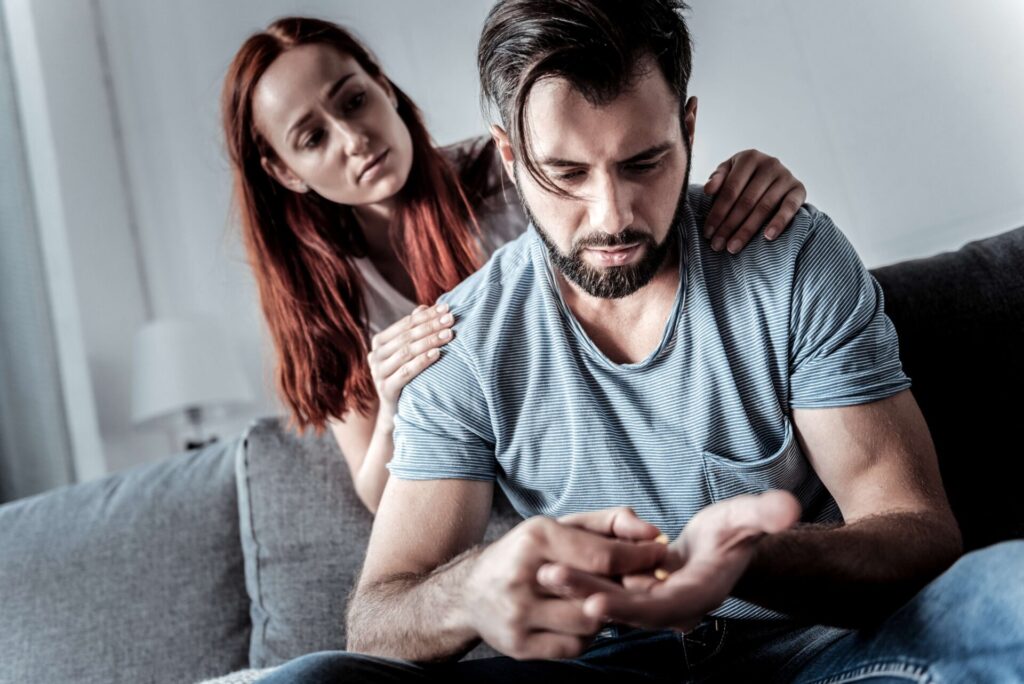

A panic attack can be one of the most frightening experiences a person can experience. Out of nowhere, your heart pounds, you can’t catch your breath, your chest feels tight, and a wave of terror washes over you. Many people are convinced they’re having a heart attack or even dying. If you have experienced this, you are not alone, you are not in danger of losing your mind, and there is real, effective help available.
What a Panic Attack Actually Is
A panic attack is a sudden surge of intense fear or discomfort that peaks within minutes. During an attack, people often experience several of these at once:
- Pounding, racing, or skipping heartbeat
- Sweating
- Trembling or shaking
- Shortness of breath or a feeling of being smothered
- A choking sensation
- Chest pain or tightness
- Nausea or stomach upset
- Dizziness, lightheadedness, or feeling faint
- Numbness or tingling
- Chills or sensations of heat or “flushing”
- A sense of unreality or feeling detached from yourself
- Fear of losing control or dying
Here’s the crucial thing to understand: a panic attack is your body’s alarm system — the “fight-or-flight” response — firing at full strength when there’s no actual danger. The physical sensations are real, but they are not harmful. The racing heart and rapid breathing are the same things that would happen if you sprinted to safety; they feel alarming, but they will not hurt you, and the attack will pass, usually within minutes.
How Panic Happens: Two Different Situations
Panic attacks can show up in two main ways, and the difference matters.
1. Panic Attacks as Part of Another Anxiety Problem
Panic attacks can occur in people who have an anxiety disorder such as Generalized Anxiety Disorder (GAD). Here, the attack is usually tied to the thing the person worries about. Someone with GAD who is overwhelmed by constant, uncontrollable worry may hit a breaking point where that tension boils over into a panic attack. In these cases, panic is a symptom riding on top of the underlying anxiety, and the attacks tend to be connected to a worry or a stressful trigger.
2. Panic Disorder
Panic disorder is a different condition. The panic attacks come unexpectedly and out of the blue — sometimes even waking a person from sleep — without an obvious trigger. What defines panic disorder isn’t just the attacks themselves, but what happens afterward:
- For at least a month, the person worries about having another attack, or
- Changes their behavior because of the attacks — for example, avoiding places, exercise, or situations where an attack might happen.
This creates a vicious cycle: a frightening attack leads to fear of the fear itself. People become hyper-aware of normal body sensations (a slightly fast heartbeat, a bit of dizziness), misread them as the start of another attack, and that misinterpretation actually triggers one. Over time, some people start avoiding more of life to feel safe; which only makes the world feel smaller and the anxiety stronger.
What Might Be Contributing — Including Things at Home
Several everyday factors can set off panic attacks or make them more likely:
- Caffeine — coffee, energy drinks, and even some sodas and teas can trigger the exact sensations (racing heart, jitteriness) that spark panic.
- Alcohol and recreational substances, including the “rebound” anxiety that comes the day after drinking or during withdrawal.
- Nicotine and some medications (for example, certain asthma inhalers, decongestants, and thyroid medications).
- Poor or disrupted sleep.
- High, sustained stress — financial pressure, work overload, relationship strain, and the constant drumbeat of distressing news and social media.
- Medical conditions that mimic panic, such as thyroid problems, heart rhythm disturbances, asthma, or low blood sugar. This is why a medical check-up is an important early step — especially the first time you have these symptoms.
Looking honestly at your caffeine intake, alcohol use, sleep, and stress load is a practical place to start, and reducing these triggers often lowers how often attacks happen.
What to Do During a Panic Attack
When a panic attack begins, there are steps you can take to help manage the symptoms and remind your body that you are safe:
- Remind yourself what it is: “This is a panic attack. It is uncomfortable, but it is not dangerous, and it will pass.”
- Slow your breathing: breathe in gently through your nose, and make your out-breath longer than your in-breath. This calms the alarm response.
- Don’t fight it or flee: let the wave rise and fall. Trying to force it away often makes it worse. It will peak and then fade.
- Ground yourself in the present — name a few things you can see, hear, and feel around you.
When to Seek Help
Reach out to a professional if:
- You’ve had more than one unexpected panic attack.
- You worry between attacks about when the next one will come.
- You’re avoiding places, activities, or situations to prevent an attack.
- Panic is interfering with your work, relationships, or daily life.
- You’re using alcohol or substances to cope.
- You also feel persistently down, hopeless, or depressed — panic and depression often occur together.
When to Seek Immediate Help
Get help right away — call or text 988 (the Suicide and Crisis Lifeline), or go to the nearest emergency room — if you ever have thoughts of harming yourself. And if you’re having chest pain, severe shortness of breath, or symptoms you’ve never had before, especially for the first time, treat it as a medical emergency and get evaluated to make sure your heart and lungs are okay.
How Therapy Helps — and It Really Does
Panic disorder is one of the most treatable anxiety conditions. The most effective approach is Cognitive Behavioral Therapy (CBT), a short, practical, skills-based therapy.
How CBT Can Help With Panic Disorder
For panic specifically, CBT works by:
- Teaching you what’s really happening in your body, so the sensations stop feeling catastrophic.
- Correcting the misreading of normal body signals as danger.
- Interoceptive exposure — gently and safely bringing on the very sensations you fear (for example, breathing faster on purpose or doing light exercise) in a controlled way, so your brain learns these feelings are not dangerous. This is one of the most powerful parts of panic treatment.
- Reducing avoidance, step by step, so you can get your life back.
Other Treatment Options
Related approaches — mindfulness-based and acceptance-based therapies — can also help, and guided self-help or online CBT programs are effective options, especially for milder cases. For many people, medication prescribed alongside therapy is a valuable part of recovery. A clinician can help you weigh the options, and your preferences matter.
You Don’t Have to Live in Fear of the Next Attack
Panic attacks are deeply unpleasant, but they are not dangerous, and they are very treatable. You don’t have to keep “white-knuckling” through them or shrinking your life to avoid them.
A good first step is talking with your primary care clinician, who can rule out physical causes and start you on the right path. A psychiatric clinician can offer specialized, tailored care — therapy, medication, or both.
Dayton Behavioral Care is here for you. Our team provides compassionate, evidence-based treatment for panic attacks, panic disorder, and related anxiety conditions. We’ll help you understand what’s happening, break the cycle of fear, and build lasting skills to feel safe in your own body again. Reach out to Dayton Behavioral Care today to schedule an appointment — relief is possible, and help is closer than you think.
Looking Ahead
The holidays can bring added stress, disrupted routines, and emotional exhaustion, but sometimes changes in mood during the colder months are connected to something more. Seasonal Affective Disorder is a form of depression associated with seasonal changes and can affect energy, sleep, motivation, concentration, and overall well-being.
In our next blog post, we’ll explore Seasonal Affective Disorder, how it differs from temporary holiday stress or burnout, and the signs that seasonal changes may be affecting your mental health. We’ll also discuss why SAD occurs, who may be more susceptible, and the treatment options that can help you feel better throughout the winter months.