
You Can Get Out — And Many Do
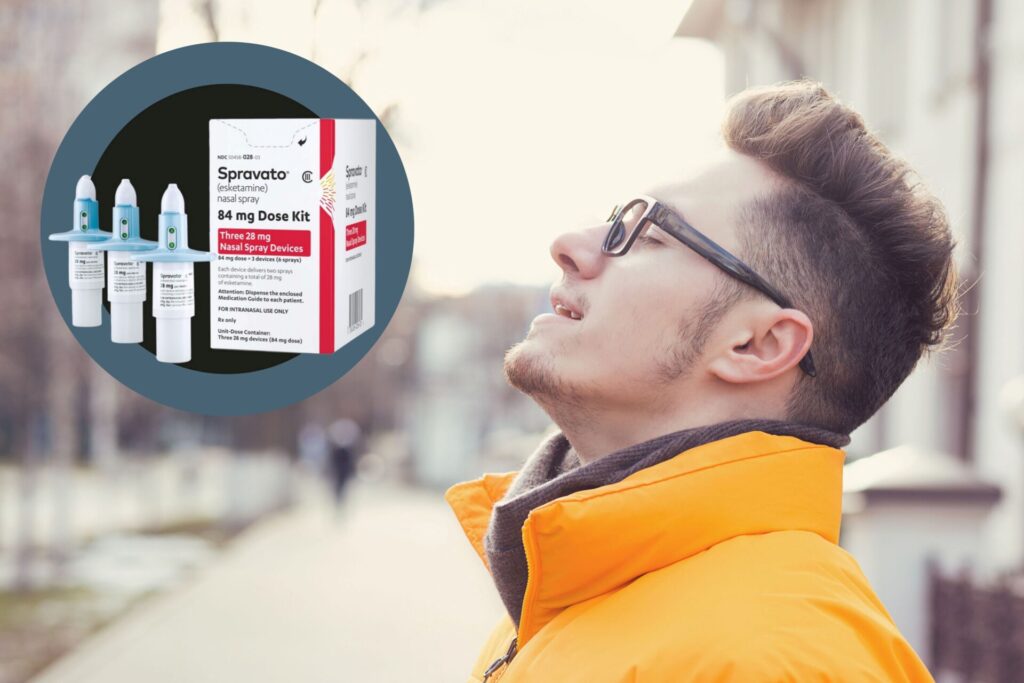
One of the most persistent myths about Spravato (esketamine) treatment is that once you start, you’re trapped — that patients stay in the program for years because they’ve become dependent or addicted. This simply isn’t true, and it’s a misconception worth setting straight.
Let’s Talk About Safety First
The tragic death of Matthew Perry understandably raised public concern about ketamine-related treatments. But it’s critical to understand the difference between unsupervised ketamine use and FDA-approved Spravato administered in a certified clinical setting. Spravato is delivered under strict medical supervision through the REMS (Risk Evaluation and Mitigation Strategy) program. Patients are monitored by trained clinicians for a minimum of two hours after each dose. At DBC, we have safely administered this treatment for seven years — with protocols, oversight, and clinical expertise guiding every session. This is not a take-home medication. This is not unsupervised use. This is medicine, delivered responsibly.
Many Patients Finish in About a Year
The landmark clinical trial that led to FDA approval of Spravato for treatment-resistant depression studied patients over a period that supports approximately one year of treatment. Many of our patients follow exactly that trajectory: they enter the program, achieve remission, and graduate. They finish. They move on with their lives. That is the goal, and it happens regularly.
So Why Do Some Patients Stay Longer?
When patients remain in the program beyond a year, it’s not because they “can’t stop.” It’s because their clinical picture is more complex. Here are the real reasons:
– Co-occurring PTSD or trauma. For many patients, depression is actually driven by underlying trauma. Spravato helps manage the depressive symptoms while the patient pursues trauma-focused therapies like EMDR or other evidence-based approaches. This process takes time — often two to three years — and the Spravato serves as a bridge, not a crutch.
– Chronic pain conditions. Conditions like fibromyalgia and other pain-related syndromes are well-known drivers of depression. Some patients experience meaningful relief from both their pain and their mood symptoms with Spravato, and their treatment timeline reflects the complexity of managing multiple conditions simultaneously.
– Individual clinical needs. Medicine is not one-size-fits-all. Treatment duration should be guided by clinical response, not arbitrary timelines or fear-based assumptions.
The Bottom Line
People stay in Spravato treatment longer for legitimate, individualized medical reasons — not because they’re stuck. The narrative of “once you’re in, you can’t get out” is a myth. Patients complete treatment and leave the program every day. Others stay longer because their healing journey requires it. Both paths are valid, both are guided by clinicians, and both reflect thoughtful, evidence-based care.
If you or someone you know is considering Spravato, don’t let misinformation be the reason you avoid a treatment that could change your life.
Looking Ahead
When depression doesn’t improve after trying therapy, medication, or both, it’s easy to feel like you’ve run out of options. Fortunately, advances in mental health care have made new treatments available for individuals who continue to struggle with persistent symptoms.
In our next blog post, we’ll explore some of today’s advanced depression therapies, including Transcranial Magnetic Stimulation (TMS), Spravato® (esketamine), and IV ketamine therapy. We’ll explain how these treatments work, who they may benefit, and why they are giving new hope to individuals who haven’t found relief through more traditional approaches.